
Building a search-first website means designing for how Google and AI search actually work
Over 53% of all site traffic comes from organic search, and that number keeps climbing. If your website isn't built with search in mind, you're leaving visibility, leads, and revenue on the table. This guide covers everything you need to know about web and SEO in 2026, from technical foundations to AI-driven search, so you can build a site that actually gets found.
Key Takeaways
- Modern SEO is inseparable from web development. Web development and SEO are interdependent disciplines, which means site structure, code quality, and content strategy must be planned together from day one. You can't bolt on search engine optimisation after a site goes live and expect strong results. The decisions web developers make about architecture, performance, and content planning directly determine how well a site performs in search results.
- Good SEO in 2026 means serving users first while aligning with how Google search, AI search experiences like Google's AI Overviews and Bing Copilot, and mobile-first indexing actually work. SEO enhances user experience by improving website visibility and making content easier to find for people searching across devices and platforms.
- On-page SEO, off-page SEO, and technical SEO function as one system. Neglecting any pillar weakens the others. Together, they drive organic traffic, conversions, and long-term brand recognition. And through every algorithm shift and AI update, high-quality content paired with clean technical implementation remains the only durable way to improve SEO.
What Is SEO in Web Development Today?
Search engine optimisation, in a web development context, means designing and building websites so that search engines and AI systems can discover, interpret, index, and rank content effectively. SEO improves website visibility and attracts potential customers. It is essential for attracting organic traffic to websites, whether you run a five-page local business site or a large eCommerce store.
The classic picture of SEO - stuffing keywords into meta tags and chasing blue links on search engine results pages - is outdated. Today's Google search results include AI summaries, featured snippets, video packs, image carousels, local packs, and more. Even ranking on the first page doesn't guarantee clicks when zero-click answers dominate many queries.
SEO is not a marketing tactic you layer on after launch. It's a product of decisions about information architecture, performance, accessibility, and content planning made during development. SEO influences web development decisions from the beginning of a project, and ignoring this reality leads to expensive rework later.
Consider a real-world example: a multi-location Toyota dealer in Kansas City optimised technical SEO, local SEO, and schema markup across location pages. Over 11 months, organic traffic increased 312%, 84 new keywords ranked in the top 3, and lead volume more than doubled.
How Google Search and AI Search Actually Work
Google uses bots to crawl web pages by following links, reading robots.txt directives, and processing XML sitemaps. After crawling, it indexes content - determining canonical versions, evaluating mobile versus desktop, and building its search indexes. Ranking then relies on hundreds of signals: content relevance, page experience, E-E-A-T, backlinks, and more.
Every step ties to concrete web decisions. Robots.txt and meta-robots control what gets crawled. Canonical tags resolve duplicate content. Crawlability is enhanced by descriptive internal linking, which helps crawlers find deep pages. Google allows up to 10 pages to be indexed daily for new sites, so clean technical setup matters from the start.
Since 2023, Google has emphasized the helpful content system (integrated into core ranking in March 2024), E-E-A-T, and the rollout of AI Overviews powered by Gemini. AI Overviews expanded from 7 countries to 229, reshaping click-through patterns significantly.
AI search systems like Google Gemini, Bing Copilot, and Perplexity rely heavily on structured, trustworthy, well-linked web pages as retrieval sources. Mobile first indexing, fully active since July 2024, means Google predominantly uses the mobile version of a web page for crawling and ranking. If your mobile version is thin, your search ranking suffers.
The Three Pillars: Technical, On Page SEO, and Off Page SEO
There are two main types of SEO traditionally recognized - on-page and off-page - but in practice, technical SEO forms a critical third pillar. A good SEO strategy touches all three. Here's how they break down:
Technical SEO ensures websites are easily crawled and indexed. It covers crawlability, indexability, HTTPS implementation, Core Web Vitals, mobile responsiveness, and structured data. These are core responsibilities of web developers. Implementing HTTPS increases security and improves search rankings. Logical site structure enhances crawlability by search engines like Google, Bing, and others.
On page SEO involves optimizing content and HTML source code on individual pages. This means aligning page topics with keyword research, using descriptive headings, optimised title tags and meta descriptions, and building clear internal linking. SEO involves optimizing content for specific keywords so that relevant search results surface for users.
Off page SEO focuses on building backlinks and online reputation through external signals. This includes editorial backlinks from other websites, brand mentions, reviews, and digital PR that build trust over time. Off-page SEO also includes social media engagement and online reputation management.
Sustainable SEO strategies touch all three pillars simultaneously. Weak technical performance undermines great content. Thin content wastes good backlinks. Neglecting one pillar weakens the rest.
Planning an SEO-First Website Project
SEO should be integrated into the discovery and planning stages of a new website, not treated as an afterthought. A well-structured website improves user navigation and engagement, and this structure needs to be planned upfront.
Key tasks before any design or development begins:

Planning site architecture and SEO strategy before development begins
- Audience research: Define your target audience, their questions, and how they search. Understand the people searching for your services or products.
- Keyword and topic research: Use tools like SEMrush, Ahrefs, or Moz to find the right keywords, cluster related topics, and map long-tail variations.
- Competitor SERP analysis: Study what search engine results look like for your core terms. Are there AI Overviews? Featured snippets? Local packs? This shapes your content format decisions.
- Conversion goals: Define what makes sense for your business - leads, sales, sign-ups, or calls - and tie every page to a measurable outcome.
Turn those inputs into a sitemap and URL structure that groups related topics into clear hierarchies. For example: /services/plumbing/residential or /locations/kansas-city. Using descriptive URLs helps users understand page content and supports SEO.
Use a simple spreadsheet to map each planned URL to a primary keyword, search intent category (informational, commercial, transactional, or local), and content format. Align web design decisions - navigation labels, homepage layout, footer links - with this planned structure to avoid rework.
Technical SEO Essentials for Modern Websites
Before any site goes live, it should pass these core technical checks:

Clean code, semantic HTML, and structured data are core technical SEO responsibilities
- HTTPS: Valid SSL/TLS certificate in place. Implementing HTTPS increases security and improves search rankings.
- Redirects: Clean www/non-www and HTTP-to-HTTPS redirects. URL structure and redirects affect SEO performance directly.
- Status codes: No accidental 404s or 500 errors on important pages.
XML sitemaps facilitate page discovery for search engines by helping crawlers find and prioritise content, especially deeper pages. Robots.txt guides crawlers on what to access, but use it carefully - accidentally blocking CSS or JavaScript required for rendering can hurt indexing.
Performance and Core Web Vitals are critical. Google's Core Web Vitals measure page performance metrics: LCP (Largest Contentful Paint, target under 2.5 seconds), INP (Interaction to Next Paint), and CLS (Cumulative Layout Shift). Site speed influences search engine rankings, and Core Web Vitals are key metrics for page speed optimization. Improving website speed can include compressing images and minifying code, using next-gen formats like AVIF or WebP, lazy loading assets, and limiting third-party scripts. Fast-loading pages provide a better user experience and improve rankings. Fast-loading pages also enhance user satisfaction and retention.
Semantic HTML aids in both SEO and accessibility. Use proper heading order, landmark roles, alt text for images, keyboard focus states, and sufficient color contrast. Clean code aids search engines in understanding content structure.
For JavaScript-heavy sites, server-side rendering or hydration strategies ensure Google and AI tools see full content reliably. According to Searchlab's 2026 technical SEO statistics, 92% of websites are now responsive, but non-responsive sites still lose up to 68% of their mobile traffic advantage.
On Page SEO: Turning Pages into Search Assets
A high-performing web page starts with clear structure: one primary topic per page, a descriptive H1, informative H2/H3 subheadings, concise paragraphs, and intuitive internal links. On-page SEO includes using SEO-rich keywords in content, placed naturally where they support readability rather than interrupt it.
Meta tags and headings are crucial for on-page SEO. In practice, include your primary keyword in the title tag (near the beginning), write a meta description that accurately reflects the content and entices clicks, use the keyword naturally in the first paragraph and relevant headings, and add image alt attributes. Using relevant images with alt text enhances on-page SEO and accessibility.
Creating high-quality content influences search engine rankings significantly. Satisfy search intent by answering the core questions your target audience has. Provide examples, use current data, and include clear calls to action. High-quality content increases user engagement and site traffic. Linking to relevant resources from external sources enhances user experience and SEO.
Schema.org markup helps search engines understand website content. Integrate structured data like LocalBusiness for location pages, FAQPage for common questions, and Product for eCommerce pages. eCommerce SEO optimizes online stores for product visibility, and schema plays a key role. This structured data also enriches how pages appear in search engine results pages and ai search outputs. As TechRadar explains, Answer Engine Optimization (AEO) runs parallel to SEO in 2026, and clean structured data is essential for both.
Good on page SEO connects to web design decisions: legible typography, contrast, spacing, and scannable layouts keep users on the page longer, reducing bounce rates and supporting higher rankings.
Off Page SEO, Digital PR, and Brand Recognition
Off page SEO covers all the external trust signals pointing back to your domain. Off-page SEO primarily involves building backlinks to your site, but it extends to mentions in industry publications, citations, social proof, and reviews. Quality backlinks are crucial for enhancing search engine rankings, and backlinks from high-quality sites improve your site's credibility. Links from other websites also help Google discover your content.
Digital marketing campaigns - content promotion, PR stories, webinars, podcasts - can earn natural links and mentions that strengthen authority. For example, a niche B2B company publishing an in-depth 2026 industry trends report earned citations from blogs, LinkedIn posts, and trade magazines, driving measurable growth in referral web traffic and domain authority.
Promoting your website can lead to faster content discovery. Word of mouth is an effective way to promote your site, and offline promotion can include listing your URL on business cards. Regular newsletters can inform audiences about new content and new pages. However, promoting your site excessively can harm its reputation, so focus on genuine value.
Brand recognition functions as an SEO asset: more branded searches lead to higher click-through rates on search results, and greater resilience against algorithm updates. Increasing brand awareness through consistent visibility across social media, search, and industry channels compounds over time.
Avoid manipulative link schemes. Building relationships, publishing original research, and supporting communities are sustainable tactics that create long-term authority.
Local SEO and Web Design for Location-Based Businesses
Local SEO targets specific geographical areas for visibility. Businesses that rely on it most include restaurants, clinics, home services, and independent retailers operating in a local area.
Incorporate local SEO into site architecture with:
- Individual location pages with address, services, hours, and photos
- Service-area content for cities or regions you serve
- Embedded maps (Google Maps iframe or API)
- Clear NAP (name, address, phone) details visible on each page and in LocalBusiness schema markup
A complete and accurate Google Business Profile is essential. Claim and verify each location, keep categories accurate, manage reviews, and update hours and photos regularly. Local citations on reputable directories ensure consistent NAP across the web.

Local SEO helps location-based businesses appear in Google Maps and local search results
Content ideas that support local search intent include "near me" phrasing where natural, case studies from local clients, event pages, and FAQs about local regulations or logistics. A locksmith business case study showed how rebuilding architecture, improving local presence, and refining internal linking moved the site from near-zero visibility to ranking first for broad terms within months.
For local users searching on smartphones, fast mobile pages, click-to-call buttons, and easy directions are especially critical. These drive high intent traffic directly to your business.
Mobile-First Indexing and UX: Designing for Phones First
Mobile first indexing prioritizes mobile-friendly website designs. Google predominantly uses the mobile view of your site for crawling and ranking. A weak mobile experience harms your seo ranking even if the desktop version looks perfect. Mobile responsiveness is crucial due to mobile-first indexing by search engines.
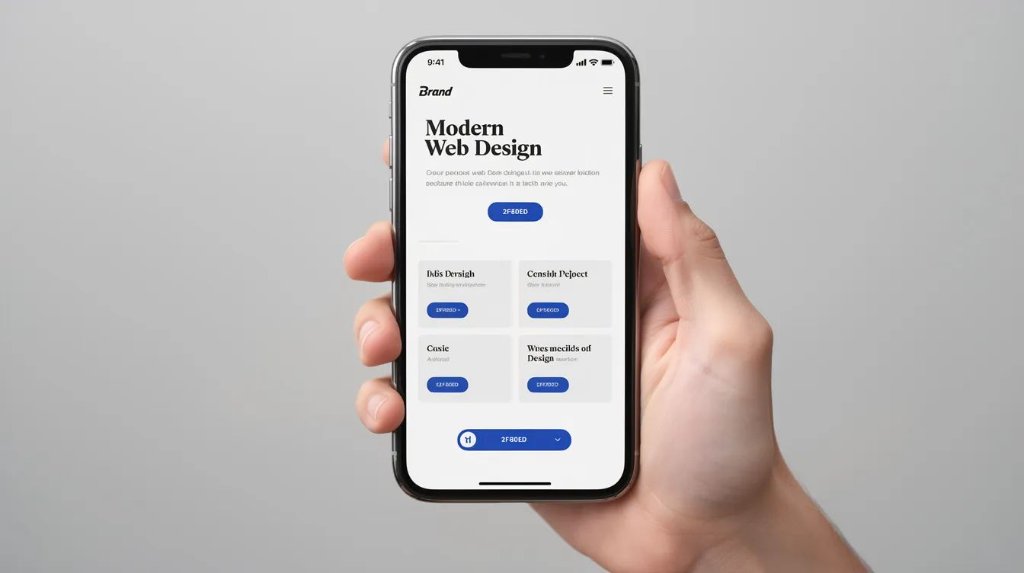
Mobile-first design: responsive layouts, readable fonts, and thumb-friendly buttons
Practical mobile-first design choices include:
- Responsive layouts that adapt to various screen sizes
- Readable font sizes (16px base minimum)
- Thumb-friendly buttons with adequate spacing
- Minimal intrusive pop-ups, especially on page load
- Clear above-the-fold value proposition
Connect mobile UX to key SEO metrics. Time on page, bounce rate, and conversion rate are often worse on mobile when UX is poor. This is especially true for local and transactional searches done on the go. With 63.4% of global web traffic coming from mobile, this isn't optional - it's where most of your potential customers are.
Test with Chrome DevTools device emulation, PageSpeed Insights for loading speed benchmarks, and Search Console's mobile usability reports on real URLs. Align forms, checkouts, and login flows with mobile behaviours: support autofill, minimize required fields, and ensure large input targets to support both user experience and revenue.
Using AI Tools to Improve SEO (Without Losing Quality)
AI tools have practical uses in SEO workflows: semantic keyword clustering, SERP summarisation, content briefs, schema suggestions, and log-file pattern detection. They help you work faster and spot patterns that manual analysis might miss.
However, AI-generated text should be treated as a draft only. Writing content with AI requires humans to refine, fact-check, and embed genuine experience and expertise. Google's helpful content system penalises generic, unedited output. Creating content just to fill pages rather than serve users risks visibility loss. Content quality matters more than volume.
Search and AI systems reward originality. Unique datasets, case studies, clear opinions, and transparent author bios are harder to replicate with generic AI content. A study on AI Overviews found that nearly 30% of domains cited in AI Overviews aren't even present among first-page results - structure, credibility, and clarity matter as much as traditional seo ranking.
A simple AI-assisted workflow that makes sense:
- 1Research SERPs and user search intent with ai tools
- 2Outline manually with headings, keyword map, and internal link plan
- 3Draft with AI where helpful
- 4Human-edit for clarity, tone, accuracy, and trust signals
- 5Add data, visuals, author credentials, and schema
Emerging ai search behaviour - answer snapshots, AI Overviews - rewards strong branding, citations from authoritative sites, and well-structured, valuable content.
SEO Measurement: How to Track What Really Matters
Key SEO metrics overlap naturally with web analytics. Track organic sessions, landing pages with organic search entrances, conversion rate from organic search traffic, and assisted conversions across the funnel. These tell you whether your SEO strategy is producing real business outcomes, not just vanity metrics.
Use Google Search Console to monitor impressions, clicks, average position, and index coverage for critical URLs. Regular monitoring with tools like Google Search Console helps identify issues before they compound. Regularly monitoring website activity improves SEO performance over time.
Group metrics by intent for clearer insight:
| Intent Type | Key Metrics |
|---|---|
| Informational | Engagement, scroll depth, time on page |
| Commercial / Transactional | Leads, demo requests, conversion rate |
| Local | Calls, direction requests, map impressions |
Regular technical and content audits - at least twice per year - help you find broken links, outdated blog post content, slow pages, and keyword cannibalisation. Look at paid search traffic alongside organic to understand total search visibility.
Attribution in 2026 is multi-touch. SEO should be evaluated not only on last-click conversions but also on its role in discovery and nurturing over longer sales cycles. An organic search visit might introduce a user who later converts via a social media ad or direct visit.
Practical Steps to Improve SEO on an Existing Website
If you already have a website and want to improve SEO, start with this prioritised action list:
- 1Fix critical technical issues: Resolve broken redirects, duplicate content, mobile usability problems, and loading speed regressions.
- 2Update underperforming content: Identify thin pages, outdated statistics, and keyword misalignment. Refresh with current data and clearer positioning.
- 3Improve internal linking: Ensure key pages within topic clusters are linked from high-authority pages on your site. Crawlability is enhanced by descriptive internal linking.
Next, create or revise 5–10 core service or product pages. Add better headings reflecting search intent, updated statistics, stronger calls to action, and schema markup. Descriptive URLs help users understand page content better, so clean up any cryptic URL slugs.
Identify "quick wins" in Search Console: pages ranking in positions 5–15 for specific keywords. These are often easiest to move up with on page SEO tweaks and added depth. Also look for pages with high impressions but low CTR - better title tags and meta descriptions can drive traffic without new content.
Add FAQs, comparison sections, and short case studies to important pages. These answer more user questions, improve topical coverage, and help capture featured snippets.
Set realistic expectations. SEO is a long term strategy. Meaningful gains typically appear over 3–12 months depending on competition and site history. Early signals may show within 4–8 weeks, but stable, compounding organic traffic takes patience and consistency.
Future Trends: Web, SEO, and AI Through 2026
Expected trends through 2026 include more AI-generated SERP features, deeper integration of structured data, increased importance of first-party analytics, and stricter spam detection targeting low-quality generic content.
Privacy regulations and cookie deprecation are pushing marketers away from third-party tracking toward organic visibility. SEO becomes more vital because paid options may be limited or less targeted. Companies that invest in quality content their target audience actively seeks will have a structural advantage.
Multimedia search is growing. Video results, image packs, and even audio transcripts now surface in google search results. Transcripts, captions, and descriptive metadata help search engines like Google understand and surface this content. If you're creating content in video or podcast format, transcripts are a ranking factor worth prioritising.
Build resilient assets: authoritative guides, calculators, tools, and data studies that attract links and mentions regardless of UI tweaks in search engines. These also help with AI Overviews citation eligibility, which represents a new visibility vector.
Investing in web quality and SEO fundamentals is the best hedge against unpredictable algorithm and AI search changes. The sites that rank higher in 2027 will be the ones building foundations today.
FAQ: Web Development and SEO
How soon after launching a new website can I expect to see SEO results?
Indexing often happens within a few days if you have a clean technical setup and proper XML sitemap submitted. Early search ranking signals typically appear within 4–8 weeks for less competitive keywords. More stable, meaningful performance usually emerges after 3–6 months depending on competition. Factors that speed things up include existing domain authority, strong internal links, and quality content at launch. Thin content, frequent redesigns, and crawl issues slow things down.
Do I need a blog to have good SEO, or can a small site rank well?
A blog is not mandatory. A small, well-structured site with strong service pages, FAQs, and case studies can rank well if it meets search intent better than bloated competitors. If you add a blog post section, use it for genuinely helpful content - how-tos, comparisons, local guides - rather than filler. Every page should deliver valuable content to your audience, whether it's a blog or a product page.
How does SEO interact with paid ads like Google Ads or social campaigns?
Organic SEO and paid search complement each other. Ads provide immediate visibility and drive traffic quickly, while SEO compounds over time and reduces reliance on paid search traffic. Running both can improve brand recognition because users see the brand repeatedly across channels and results types, increasing click-through rates on organic results.
Is AI-generated content bad for SEO?
AI-assisted content is not inherently bad for SEO. The problem is unedited, generic AI text that risks low content quality, duplication, and loss of trust. Use AI for research and drafting, then add unique expertise, data, and clear authorship before publishing. Helpful content with genuine experience will always outperform template output.
How often should I update my website for SEO purposes?
Review key pages - home, services, pricing, top blog posts - at least every 6–12 months for accuracy, freshness, and alignment with current search intent. Regular small improvements like fixing broken links, refreshing statistics, and adding new FAQs are more effective than sporadic large overhauls. An seo company will typically recommend quarterly technical audits alongside ongoing content refreshes to maintain seo important benchmarks and sustain measurable growth.
Ready to Build a Search-First Website?
Book a free consultation with our team and get a tailored web and SEO strategy for your business.